
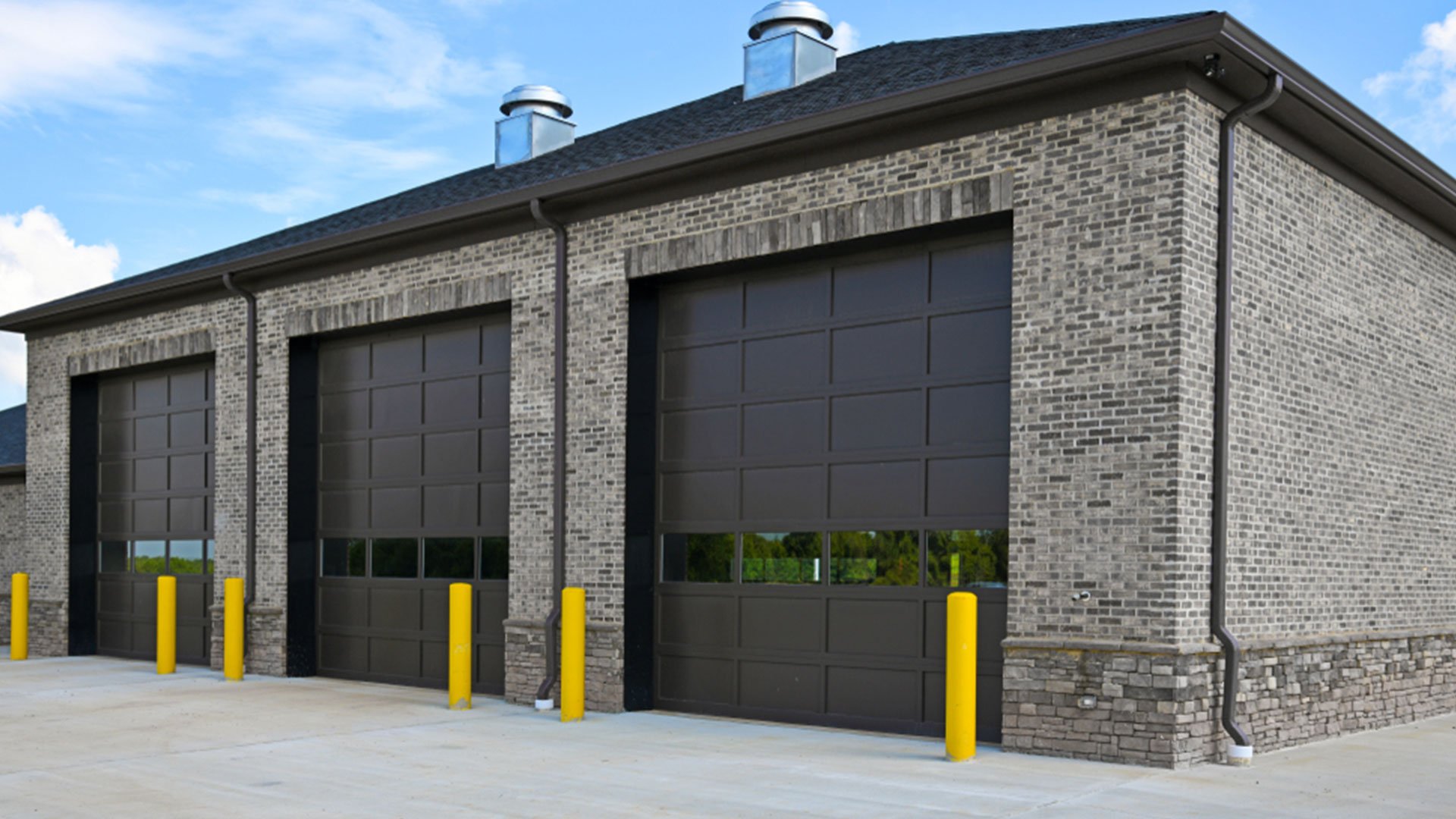
The Benefits Of Insulated Garage Doors For Energy Efficiency
Hey there, fellow homeowner! Ever shiver while grabbing your toolbox in winter or feel like you’re entering a sauna when you park your car in July? We’ve been there too—and guess what’s usually the culprit? That big, uninsulated slab we call a garage door. At A1 Garage Doors in Mississauga, we’ve swapped out hundreds of these energy vampires, and let us tell you: insulated garage doors? They’re game-changers. No jargon, no sales fluff—just real talk about why your garage shouldn’t feel like a walk-in freezer or a pizza oven.
Why Bother With Garage Door Insulation Anyway?
Okay, let’s be honest. Garages are where we stash holiday decorations, bikes, and that treadmill we swear we’ll use next week. But when your garage door isn’t insulated, it’s basically a giant hole in your home’s thermal envelope. Think about it: that thin metal or wood door is no match for Ontario winters or humid summers. Heat sneaks out in January; humidity barges in during August. And your HVAC system? It’s working overtime to compensate.
We’ve seen homes in Mississauga where the garage shares a wall with the living space. If your door isn’t insulated, you’re literally heating or cooling the great outdoors. Not exactly a vibe, right?
How Insulated Garage Doors Work Their Magic
Insulated garage doors aren’t rocket science—they’re just smarter design. Picture a sandwich: two layers of steel or aluminum with rigid foam (polyurethane or polystyrene) glued in between. This core traps air, creating a barrier against temperature swings. The magic number here is R-value—the higher it is, the better the insulation.
Breaking Down the Insulation Types
Here’s a quick comparison we share with our clients at A1 Garage Doors:
| Insulation Type | R-Value (Per Inch) | Pros | Cons | Best For |
|---|---|---|---|---|
| Polyurethane | R-7 to R-9 | Highest insulation, quieter operation, stronger structure | Higher cost | Extreme climates, attached garages |
| Polystyrene | R-4 to R-6 | Affordable, lightweight | Less durable, lower efficiency | Budget-conscious projects, detached garages |
| Non-Insulated | R-0 to R-2 | Cheapest upfront | Useless for temp control, noisy | Temporary setups (not recommended!) |
FYI, polyurethane expands to fill every gap, so it’s our go-to for maximum energy savings. We’ve installed these across Mississauga, and customers rave about the difference.
The Perks You’ll Actually Notice (Beyond Just Energy Savings)
Sure, slashing energy bills is awesome (who doesn’t love keeping extra cash for coffee runs?). But insulated doors deliver bonus wins you might not expect:
- Noise Reduction: Live near a busy street? Insulation muffles traffic, rain, and even the clatter of your garage door opener. Suddenly, your garage feels like a zen den.
- Durability: That foam core makes doors rigid. They resist dings, won’t warp like old wooden ones, and survive hockey pucks like champs.
- Year-Round Usability: Turn your garage into a workshop, gym, or hobby space without freezing your toes off. One client in Mississauga even converted theirs into a home brewery!
- Higher Home Value: Buyers notice quality. An insulated door screams “well-maintained home.”
And yeah, let’s talk savings: Insulated doors can cut garage heat loss by up to 70%. That’s real money back in your pocket.
But What About the Cost? Let’s Talk Numbers
We get it—upfront costs make people sweat. A basic non-insulated door might run you $500-$800, while insulated ones start around $1,000. But hold up! Factor in:
- Energy savings of 10-20% on bills (especially if your garage is attached).
- Longevity—these doors last 2-3x longer than uninsulated ones.
- Fewer repairs. Flimsy doors sag, crack, and demand constant garage door track repair or garage door cable repair.
At A1 Garage Doors, we keep things affordable without cutting corners. We’ll even help you weigh price versus long-term cost. IMO, it’s a no-brainer.
When Insulation Isn’t Enough: The Importance of Professional Installation
Here’s a dirty little secret: a poorly installed insulated door is just a fancy wall ornament. Gaps, misaligned tracks, or a weak opener sabotage efficiency. Ever heard that grinding noise every time the door moves? That’s a job for garage door repair—stat.
We’ve fixed too many DIY disasters. One customer called us for garage door opener repair after their sensor failed, leaving the door wide open in a snowstorm. Ouch. That’s why our garage door technicians:
- Seal edges tightly to block drafts.
- Ensure tracks are perfectly aligned (no garage door track repair needed later).
- Pair doors with efficient openers.
Whether it’s automatic garage door installation or commercial overhead door repair, precision matters. Skip the handyman—this is work for pros.
Choosing the Best Garage Door for Your Home
Not all insulated doors are equal. Here’s how we help clients pick the best garage doors:
- R-Value Match: Aim for R-12+ if your garage is attached or heated. R-8 to R-10 works for detached spaces.
- Material Matters: Steel is low-maintenance; wood looks chic but needs TLC.
- Style Points: Windows add light but can lower insulation. We recommend thermal glass.
And hey—if you’re Googling “best garage door company near me,” we’re biased, but A1 Garage Doors in Mississauga has 15 years of nailing this. We’re not just garage door installers; we’re efficiency nerds.
Your Top Questions About Insulated Garage Doors, Answered
Q: Will an insulated door really lower my energy bills if my garage isn’t heated?
A: Absolutely! Attached garages act as “buffers” between your home and outside temps. Insulation stabilizes that buffer, reducing strain on your HVAC. Even detached garages benefit—less heat transfer means stored items (like paint or wine) won’t freeze or overheat.
Q: Are insulated doors harder to maintain?
A: Nope! They’re actually tougher. The foam core resists dents, and modern steel won’t rust like older models. Just lubricate hinges annually and call us for garage door services if anything feels off.
Q: Can I insulate my existing door?
A: Technically, yes—but retrofitting kits are messy and less effective. We usually advise replacing it. New doors offer better seals, tech, and warranties. Plus, affordable options make upgrades painless.
Wrapping It Up: Why Your Garage Deserves an Upgrade
So, what’s the verdict? Insulated garage doors are like giving your home a cozy blanket—they keep the elements out, noise down, and cash in your wallet. Whether you’re in Mississauga battling -20°C winters or sweltering summer heat, that insulation pays for itself. And if your door’s rattling like a skeleton in a closet? Maybe it’s time for an intervention.
At A1 Garage Doors, we’ve helped countless homeowners (and businesses—shoutout to our commercial garage door repair crew!) ditch drafty doors for energy-efficient upgrades. We handle everything from garage door opener repair to full installations—no job too big or small.
Ready to stop treating your garage like a sacrificial temperature zone? Give us a call at A1 Garage Doors. We’ll give you a fair cost estimate, zero pressure, and maybe even crack a joke about the weather. Because life’s too short for chilly garages. 🙂


