
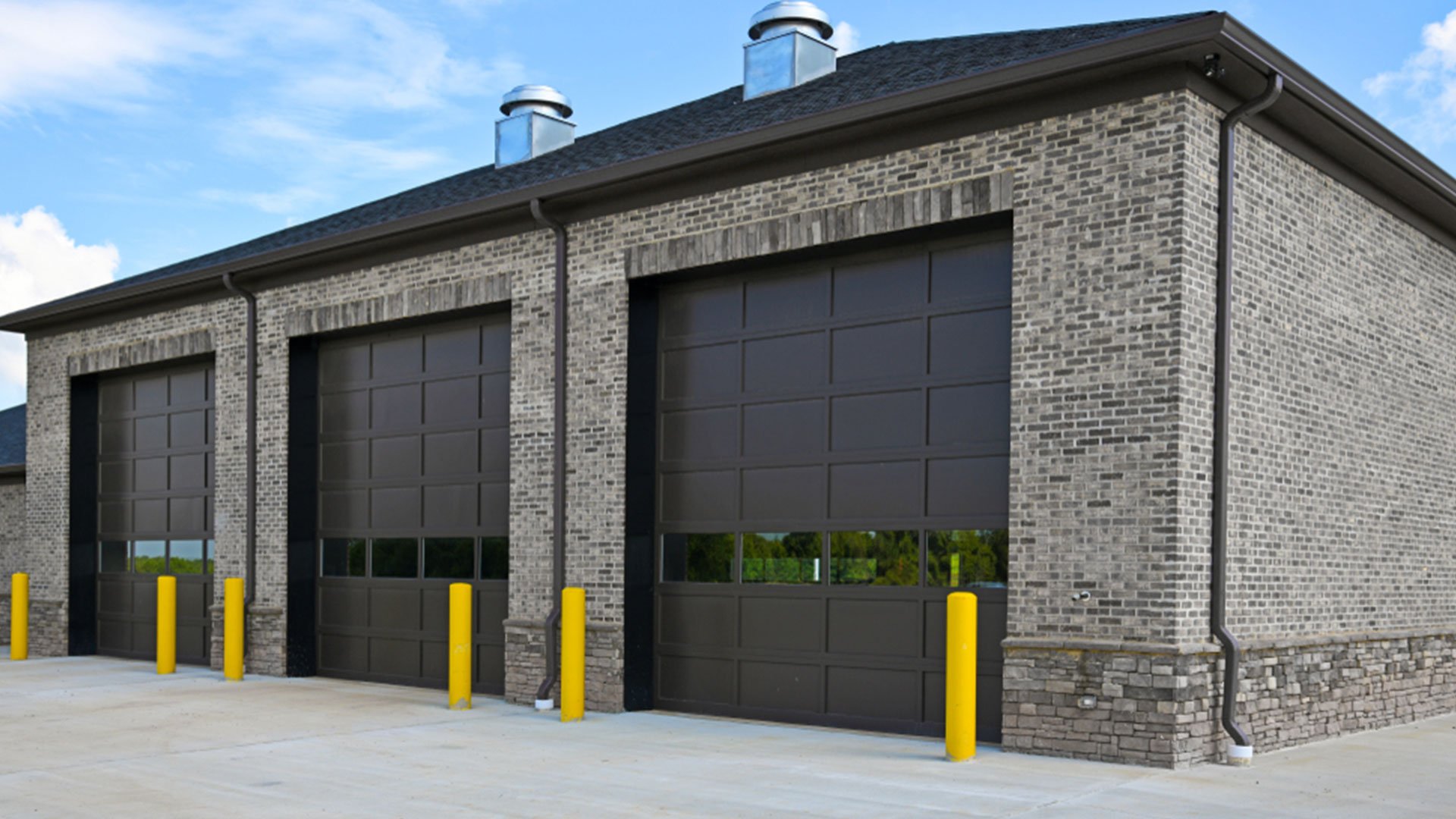
How To Avoid Overloading Your Garage Door Opener (And Why Your Opener Will Thank You)
Hey there, fellow garage tinkerers! Ever heard your garage door opener groan like it’s lifting a Cadillac instead of a door? Or maybe it just stops mid-lift, leaving you staring at your half-open garage like it’s playing a cruel joke? We’ve been there—and as the team at A1 Garage Doors in Mississauga, we’ve fixed more overloaded openers than we can count. Let’s chat about why this happens and how to save your opener from an early retirement.
The Overload Problem: More Common Than You Think
Your garage door opener isn’t a superhero—it’s got limits. Push it too hard, and it’ll quit faster than a toddler in a broccoli aisle. Overloading strains the motor, burns out gears, and can even snap cables. And guess what? It’s almost always preventable. We see this daily in our garage door repair calls across Mississauga. Homeowners assume openers are “set and forget,” but neglect turns small issues into costly disasters.
How Garage Door Openers Work (And What Overloads Them)
Think of your opener as a marathon runner. It’s built for endurance, not weightlifting. Modern openers use sensors to detect resistance. If the door feels heavier than usual? The motor works harder. Too much strain triggers safety shutoffs—or worse, fries internal parts.
The Usual Suspects: What’s Making Your Opener Work Too Hard
- Heavy Doors: Solid wood or insulated doors weigh a ton (literally). Pair that with an undersized opener, and you’re asking for trouble.
- Worn-Out Hardware: Bent tracks, rusty rollers, or frayed cables create friction. Your opener fights to lift the door, like pushing a shopping cart with square wheels.
- Misaligned Sensors: If safety eyes are out of sync, the opener thinks an obstacle’s blocking the door. It strains, stutters, and gives up.
- DIY “Upgrades”: Adding insulation or replacing panels? New door weight can overwhelm old openers. Always check specs!
Spotting the Signs of an Overworked Opener
Don’t wait for a full breakdown. Watch for these red flags:
- Strange noises: Grinding, screeching, or humming that sounds… angry.
- Sluggish movement: Doors that crawl open or close like they’re trudging through molasses.
- Intermittent operation: Works sometimes, quits others. Your opener’s waving a white flag!
- Burning smells: That ominous “electrical fire” scent means stop using it now.
Pro Tip: Test your door’s balance manually. Disconnect the opener (pull that red cord!), then lift the door halfway. If it doesn’t stay put, your springs are shot—and your opener is compensating.
The Heavy Door Dilemma: Are You Asking Too Much?
Not all doors are created equal. A single-car steel door weighs ~130 lbs. Double wooden doors? Up to 400 lbs. If your opener’s horsepower (HP) doesn’t match, it’s like towing a boat with a scooter.
Here’s a quick cheat sheet:
| Door Type | Average Weight | Recommended Opener HP |
|---|---|---|
| Single-Layer Steel | 130–150 lbs | ½ HP |
| Double-Layer Insulated | 180–250 lbs | ¾ HP |
| Solid Wood | 300–400 lbs | 1+ HP |
| Commercial Doors | 500+ lbs | 3+ HP (Chain Drive) |
Heads up: If you’ve upgraded doors without upgrading openers, you’re overloading the system. For commercial overhead door repair in Mississauga, we always spec heavy-duty openers—because warehouse doors don’t play nice.
Maintenance Mishaps: When Neglect Leads to Overload
Lubrication isn’t glamorous, but skipping it is like running an engine without oil. Here’s what happens:
- Dry rollers/tracks = 30% more strain on the opener.
- Rusted hinges = jerky movement = motor overload.
- Worn springs = opener bears the full weight (it’s not designed for that!).
Our golden rule: Lube rollers, hinges, and tracks every 3 months. Use silicone spray—WD-40 attracts gunk. While you’re at it, tighten loose bolts. This 10-minute ritual prevents 80% of overload issues.
The DIY Trap: How Well-Meaning Fixes Can Backfire
We love DIY spirit! But… sometimes it backfires. Like when homeowners adjust spring tension themselves. Garage door springs store insane kinetic energy. Mess up, and you’ll turn your garage into a slingshot range. We’ve seen cables snap, tracks bend, and openers fry from botched DIY “fixes.”
Translation: Leave springs, garage door cable repair, and track realignments to garage door technicians. It’s cheaper than ER visits—or replacing your entire opener.
Solutions: Lightening the Load for Your Loyal Opener
Upgrade Smartly
If your opener’s ancient (looking at you, 1990s chain-drive clunkers), consider a modern belt-drive model. They’re quieter, smoother, and handle weight better. FYI, automatic garage door installation isn’t just about convenience—it’s about pairing doors with openers that won’t overload.
Balance & Align
Annual tune-ups are non-negotiable. A pro can:
- Rebalance doors so springs carry the weight.
- Straighten bent tracks (garage door track repair is our bread and butter).
- Replace worn parts before they strain the opener.
Mind the Extras
Adding ceiling storage? Hanging bikes? Extra weight changes your door’s dynamics. Get a garage door technician to reassess your opener’s capacity.
When to Call in the Cavalry (That’s Us!)
Look, we get it—you’re handy. But if your opener:
- Trips breakers repeatedly
- Makes apocalyptic noises
- Only works when it feels like it
…it’s time to ring A1 Garage Doors. As Mississauga’s go-to garage door company, we handle everything from garage door opener repair to commercial garage door repair. Why us? We’re local (so we’re near you), affordable, and we won’t upsell you. Seriously—we quote upfront, no hidden costs.
Fun story: Last month, a client’s opener kept dying. Turns out, a bent track made the door 40% harder to lift. A quick garage door track repair saved him $500 on a new opener. Moral? Fix the root cause, not just the symptoms!
Your Overload Prevention Checklist
Stay ahead of trouble with these quick wins:
- Lube moving parts quarterly (hinges, rollers, tracks).
- Test balance seasonally (disconnect opener; lift manually).
- Listen for changes in sound—grinding = bad.
- Clear tracks of debris (leaves, rocks, rogue tennis balls).
- Schedule annual tune-ups with a pro. IMO, it’s the best $99 you’ll spend.
Common Questions About Garage Door Opener Overload
Q: Can I just replace the opener myself?
A: Sure—if you’re experienced with electrical wiring, torsion springs, and safety sensors. Most DIY installs we see in Mississauga have misaligned rails or faulty wiring. Garage door installers exist for a reason 🙂
Q: Why does my opener work sometimes but not others?
A: Classic overload symptom. It’s likely straining against resistance (e.g., binding tracks or weak springs). Ignoring it risks motor burnout.
Q: Are “smart” openers less prone to overloading?
A: They’re better at detecting strain (many auto-shutoff), but they won’t fix underlying issues. Still need maintenance!
Wrapping It Up: Treat Your Opener Right!
Overloading your garage door opener isn’t just annoying—it’s a safety hazard. Snapped cables can crash doors; burnt motors can spark fires. But with smart habits (and a little help from your local garage door services team), your opener will last decades.
Final thought: If your opener sounds like a dying walrus, don’t just yell at it. Call A1 Garage Doors—we’ll diagnose it fast, fix it right, and maybe even crack a joke about the Leafs. Because the best garage door company? Yeah, we’re biased, but our 5-star reviews don’t lie 😛
Need a pro? Contact us at A1 Garage Doors in Mississauga for affordable, no-surprise garage door repair. We’re near you, ready to help!


