
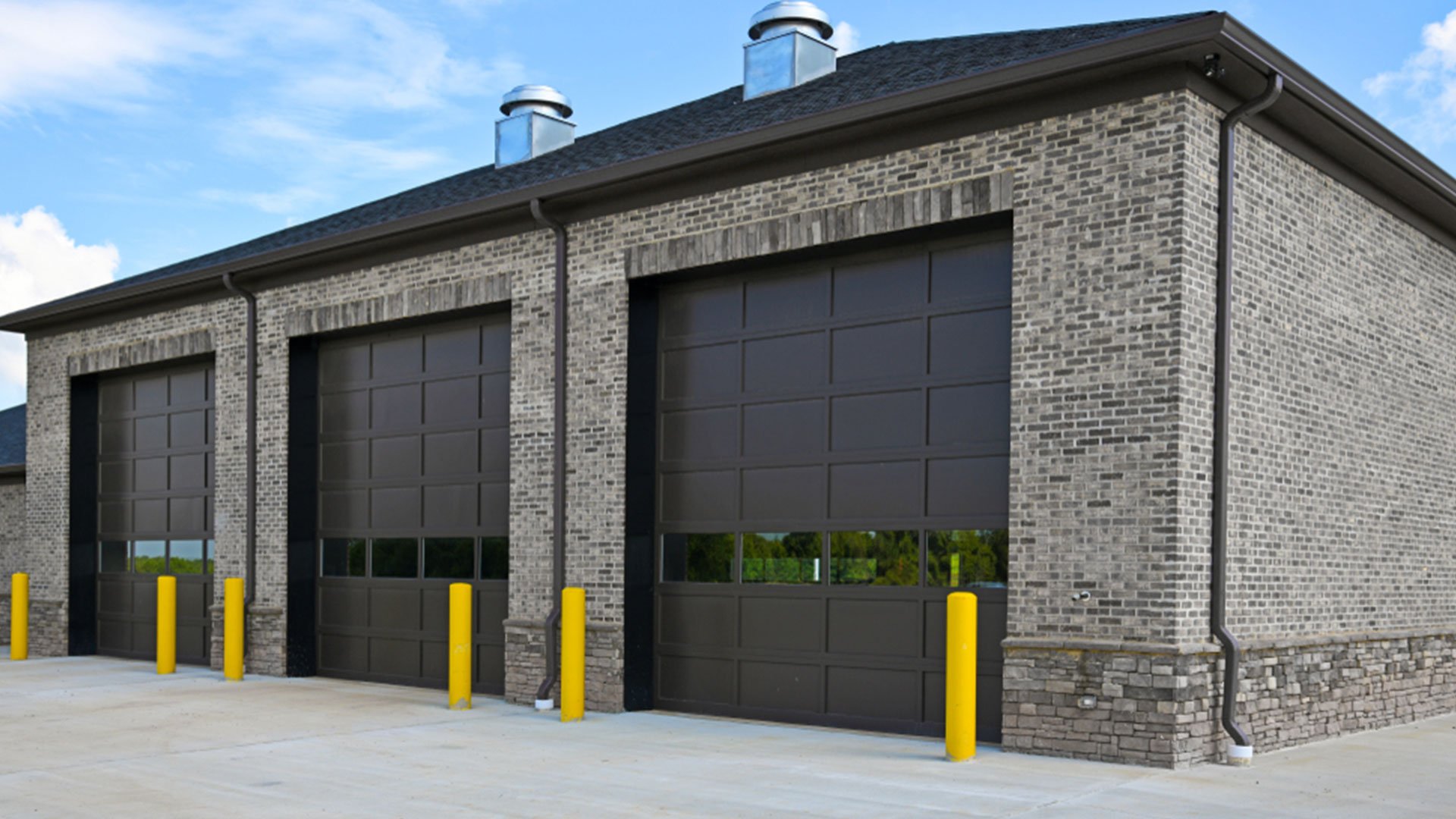
How To Choose Eco-Friendly Garage Door Materials (Without Losing Your Mind)
Okay, let’s chat about something that doesn’t get nearly enough spotlight: your garage door. Yeah, that big slab you probably ignore until it starts groaning or letting in drafts. But what if we told you choosing the right materials could save you money, help the planet, and make your home look sharper? We’re diving into the world of eco-friendly garage doors, and trust us, it’s more exciting than it sounds. At A1 Garage Doors right here in Mississauga, we’ve swapped out more doors than we’ve had hot coffees, and we’ve seen firsthand how going green makes a real difference. Let’s get into it!
Why Bother With an Eco-Friendly Garage Door Anyway?
Seriously, why should you care? It’s just a door, right? Wrong. Think about it: your garage door is basically a giant thermal weak spot. A poorly insulated or inefficient door leaks heated or cooled air like a sieve. That means your HVAC system works overtime, hiking up your energy bills and your carbon footprint. Ouch. Choosing eco-friendly materials tackles this head-on. Better insulation, sustainable sourcing, and recyclability mean you’re not just buying a door; you’re investing in lower bills and a happier planet. Plus, let’s be honest, nobody wants to feel like they’re heating the entire neighborhood every winter. We see it all the time in Mississauga homes – upgrading to an efficient door can be a game-changer for comfort and cost. Why pay more to Enbridge than you absolutely must?
Your Eco-Friendly Material Lineup: The Good, The Green, and The Great
Alright, let’s meet the contenders. Not all “green” materials are created equal, and what works for a cozy bungalow might not suit a bustling commercial space needing commercial overhead door repair. Here’s the lowdown from our years as garage door installers:
Steel: The Tough Recyclable
- Pros: Super durable, highly recyclable (often made from recycled content!), and offers fantastic insulation options (look for polyurethane cores). Resists dents better than you’d think, and modern finishes last ages. IMO, it’s often the best garage doors choice for balance.
- Cons: Can be heavier, requiring sturdy hardware. Basic thin steel offers poor insulation – you need that insulated core for true eco-benefit.
- Our Take: We install tons of insulated steel doors in Mississauga. They’re a workhorse, perfect for our climate swings, and when they eventually need garage door repair (decades later!), the steel is easily recycled. FYI, always check the R-value (insulation rating) – higher is better!
Aluminum: Lightweight & Modern
- Pros: Super light (less energy to transport!), naturally corrosion-resistant (great near Lake Ontario!), and endlessly recyclable. Gives a sleek, contemporary look, often used in commercial garage door repair settings too.
- Cons: Not as dent-resistant as steel. Can feel less substantial. Insulation options exist but aren’t usually as high-performing as top-tier steel unless specifically designed for it.
- Our Take: Love it for modern homes or coastal areas in Mississauga. It’s a champ if style and low maintenance are top priorities. Just ensure it’s well-insulated if energy efficiency is key.
Wood Composite (or Faux Wood): Beauty Without the Guilt
- Pros: Mimics real wood beautifully but uses recycled wood fibers, plastics, or resins. Far more stable than real wood (less warping/shrinking), requires minimal upkeep (no staining!), and avoids deforestation. Great insulation potential.
- Cons: Can be pricier upfront than basic steel or aluminum. Not quite the same feel as genuine, old-growth timber (if that’s your jam).
- Our Take: This is a rising star for homeowners wanting that warm wood look sustainably. We’ve seen fewer callbacks for garage door track repair or adjustments with composites compared to real wood – they’re just more stable.
Fiberglass: The Niche Player
- Pros: Incredibly resistant to salt air corrosion and humidity. Can be molded into intricate designs. Some types offer decent insulation.
- Cons: Can be brittle and prone to cracking in very cold climates (like our Mississauga winters!). Not always the easiest to recycle effectively. Limited styles compared to others.
- Our Take: It’s a solid choice if you’re right on the water and corrosion is your main enemy. Otherwise, steel or composite often offer better all-around eco-performance for the price.
Comparison Table: Eco-Friendly Garage Door Materials at a Glance
| Material | Top Eco-Pros | Key Considerations | Best Suited For | Typical Cost Range (Installed) |
|---|---|---|---|---|
| Steel | Highly recyclable, excellent insulation (with core), durable, long lifespan. | Ensure adequate insulation (R-value 12+ ideal); heavier weight needs robust tracks | Most Mississauga homes; best garage doors for balance of eco, cost, durability | $$$ – $$$$ |
| Aluminum | Lightweight (low transport impact), corrosion-resistant, fully recyclable. | Dent-prone; insulation often lower than premium steel; can feel less substantial | Modern homes, coastal areas; commercial applications | $$$ – $$$$ |
| Wood Composite | Uses recycled content, low maintenance (no staining), stable, good insulation. | Higher upfront cost; not “real” wood texture | Eco-conscious homeowners wanting wood aesthetics sustainably | $$$$ |
| Fiberglass | Excellent salt/weather resistance; potential for good insulation. | Brittle in extreme cold; limited style/recyclability; niche application | Harsh coastal environments; specific design needs | $$$ – $$$$ |
Beyond the Material: Insulation is Your Eco-BFF
Picking a sustainable material is step one, but ignoring insulation is like buying an electric car and then driving with the windows down and AC blasting. Seriously! The insulation type and thickness (measured by R-value) are crucial for energy efficiency. Here’s the quick scoop:
- Polystyrene (Panel Insulation): Budget-friendly, but air can circulate between the panels, reducing effectiveness. Okay, but not the champ.
- Polyurethane (Injected Foam): Expands to fill the entire door section, creating a superior thermal barrier (higher R-value per inch!). This is the gold standard for eco-performance we recommend at A1 Garage Doors. It also makes the door stiffer and quieter. Worth the extra cost for long-term savings.
Always, always check the R-value. Aim for R-12 or higher for a truly energy-efficient, eco-friendly door in our climate. A poorly insulated door, regardless of material, isn’t truly green.
Keeping It Green: Maintenance is Key
Choosing eco-friendly materials is fantastic, but letting your door fall apart negates all that goodwill. Proper maintenance extends the door’s life, reducing waste and the need for premature replacement (and the environmental cost of manufacturing a new one!). This means:
- Regular lubrication of hinges, rollers, and springs (prevents wear and tear).
- Checking and tightening hardware.
- Promptly addressing issues like a misaligned garage door track repair or snapped garage door cable repair. Ignoring these can lead to bigger failures, more energy loss, and potentially unsafe situations.
- Scheduling annual tune-ups with a qualified garage door technician.
Think of it like servicing your hybrid car – you do it to keep it running cleanly and efficiently for years. That’s why we offer comprehensive garage door services at A1 Garage Doors, including maintenance plans. It’s the eco-smart way to protect your investment. Why let a small issue turn into a big waste?
Why DIY Isn’t the Eco (or Smart) Choice for Installation
We get it, YouTube makes everything look easy. But automatic garage door installation? That’s a whole different beast. Getting it wrong isn’t just frustrating; it’s inefficient and potentially dangerous. An improperly installed door:
- Wastes energy due to poor sealing and alignment.
- Wears out components faster (like tracks and openers), leading to more frequent repairs and replacements.
- Risks safety hazards (heavy doors under tension!).
Hiring professional garage door installers, like our team at A1 Garage Doors in Mississauga, ensures:
- Perfect alignment for optimal energy sealing.
- Correct tensioning of springs and cables for safety and longevity.
- Integration with your garage door opener repair or new opener for peak efficiency.
- Peace of mind knowing it’s done right the first time, avoiding callbacks and waste.
Trying to save a few bucks on installation often costs more in energy bills, repairs, and headaches down the line. Not very eco-friendly, is it? 🙂
The Price Tag: Eco-Friendly vs. Cheap & Cheerful
Let’s talk numbers. Yes, a high-quality, well-insulated, eco-friendly garage door will likely have a higher upfront price than a basic, uninsulated steel door. But here’s the kicker: it’s an investment, not just an expense. Consider:
- Energy Savings: A well-insulated door significantly reduces heat loss/gain, slashing your heating and cooling bills year-round. This saving accumulates over the door’s lifespan (often 20-30 years!).
- Durability: Eco-materials like steel and composite are built to last, meaning fewer replacements.
- Reduced Repair Costs: Quality materials and professional installation mean fewer issues needing garage door opener repair, commercial overhead door repair, or garage door cable repair.
- Home Value: A stylish, efficient door boosts curb appeal and can be a selling point.
Looking for affordable eco-options? Focus on insulated steel – it often offers the best bang for your eco-buck. At A1 Garage Doors, we work hard to provide transparent pricing and options to fit different budgets without compromising on the core green benefits. Don’t just search “garage door company near me” – look for the best garage door company that offers value and expertise.
Got Questions? We’ve Got Answers (The Eco-Friendly Kind!)
1. “Is a wood garage door eco-friendly?”
Real wood? It’s natural, but it’s complicated. Old-growth wood? Definite no-no. Sustainably harvested timber (like FSC-certified)? Better, but it requires significant maintenance (staining, sealing) to prevent rot and warping, often involving chemicals. It’s also less dimensionally stable, potentially leading to alignment issues needing garage door track repair. For true eco-credentials with the wood look, wood composite is almost always the superior choice. It uses recycled content, needs minimal upkeep, and insulates well.
2. “How much energy can I really save with an eco-friendly garage door?”
It depends heavily on your climate, house layout (attached garage?), old door’s condition, and the new door’s insulation (R-value!). However, studies and our experience in Mississauga show a well-insulated door (R-12+) on an attached garage can noticeably reduce heat transfer. You might not see half your bill vanish, but combined with other efficiency measures, the savings are real and add up significantly over years. Plus, the comfort boost (no more freezing cold garage leaching into your house!) is priceless.
3. “Can I make my existing garage door more eco-friendly?”
Absolutely! While replacing it with a properly insulated, sustainable door is the gold standard, you can improve your current door:
- Add Insulation Kits: DIY foam board or reflective insulation kits can boost R-value (though not as effectively as a factory-insulated core).
- Seal the Gaps: Install or replace weatherstripping around the perimeter and bottom of the door. Huge impact on drafts!
- Maintain It: Keep it running smoothly to extend its life. Schedule a tune-up with a garage door technician to check seals, alignment, and opener efficiency.
These are great stop-gaps, but for maximum impact, replacement is often the ultimate solution.
Wrapping It Up: Your Green Garage Door Journey
So, there you have it! Choosing an eco-friendly garage door isn’t rocket science, but it does require looking beyond just the upfront cost. Focus on sustainable materials (steel, aluminum, composite), prioritize high-quality insulation (polyurethane foam is king!), commit to regular maintenance, and always get it professionally installed. It’s about making a smart choice that pays you back in comfort, lower bills, and that warm fuzzy feeling (not from a draft!) of doing right by the planet.
Ready to ditch the energy hog and embrace a greener, more efficient garage? We’re A1 Garage Doors, your local Mississauga experts for all things garage doors. Whether you need advice on the best garage doors for your eco-goals, a flawless automatic garage door installation, prompt garage door repair, or commercial garage door repair, we’ve got you covered. We’re committed to providing affordable, high-quality solutions that last. Don’t just search for “garage door services near me” – contact A1 Garage Doors today for a free, no-pressure consultation. Let’s build a greener entryway for your home or business, together! After all, shouldn’t saving the planet start right at your driveway? 🙂


