
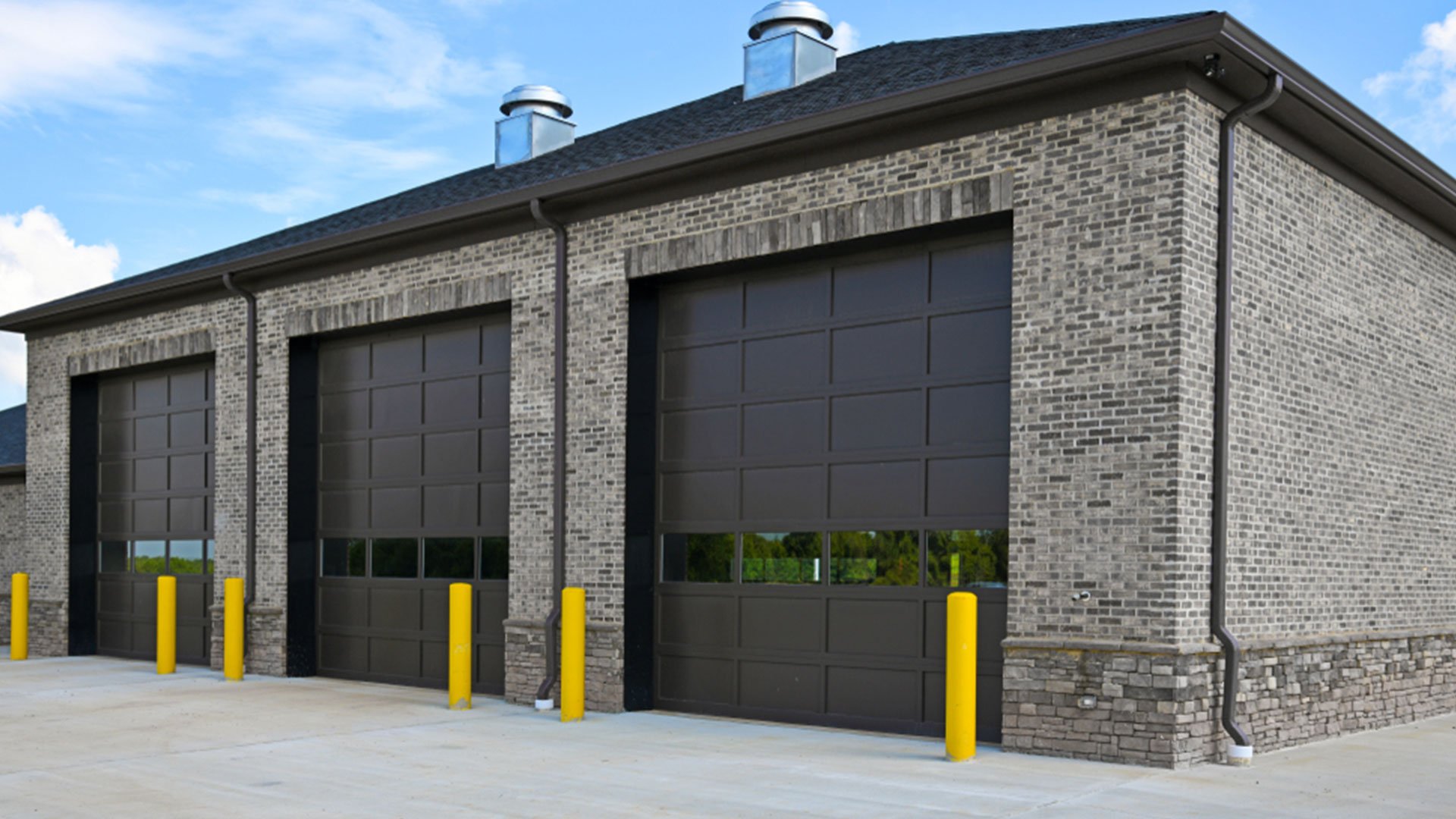
How To Protect Your Garage Door From Summer Humidity Damage (Without Losing Your Cool!)
Alright, folks, let’s talk about something that sneaks up on us every summer here in Mississauga: humidity. It’s not just bad hair days we’re fighting – that thick, muggy air is a real menace to our trusty garage doors. Seriously, one minute everything seems fine, the next you’re hearing weird creaks, noticing sticky rollers, or seeing your door warp like it just gave up trying to look good. Sound familiar? We see it all the time at A1 Garage Doors.
We’ve been the go-to garage door company serving Mississauga for years, tackling everything from simple garage door opener repair to full automatic garage door installation and complex commercial overhead door repair. And trust us, summer humidity damage is a massive chunk of our garage door repair calls between June and September. It’s preventable! So, grab a cold drink, pull up a chair (preferably in the AC!), and let’s chat about how to keep your garage door smooth and happy all summer long. Think of this as your friendly neighborhood garage door technician giving you the inside scoop.
Why Summer Humidity is Your Garage Door’s Arch-Nemesis
Okay, so why does humidity cause such a ruckus? It boils down to moisture and materials. Most garage doors are made of materials that react to changes in moisture:
- Wood Doors: These are the most dramatic. Wood absorbs moisture like a sponge, causing it to swell. This can lead to warping, sticking, binding in the tracks, and cracked paint or finishes. Imagine your beautiful wooden door slowly puffing up like it’s holding its breath – not good!
- Steel Doors: While less prone to warping than wood, steel doors aren’t invincible. High humidity accelerates rust and corrosion, especially if the paint is chipped or the door has any scratches down to bare metal. Ever seen those rusty streaks? Humidity loves to make those worse.
- Insulated Doors: These often have a steel or aluminum skin but a wood or polystyrene core. Humidity can get trapped inside, affecting the core and potentially causing the skins to bubble or delaminate over time. It’s like the door gets a bad case of bloat.
- Moving Parts: This is where things get noisy and frustrating. Humidity causes metal components – springs, garage door tracks, rollers, hinges, garage door cables – to rust and corrode faster. Lubricants get gummy and less effective. The result? Grinding noises, jerky operation, sticking, and ultimately, premature wear and tear. Ever tried moving something with sticky gears? Yeah, your door feels that pain daily in high humidity.
FYI: Humidity levels above 60% are where things really start getting problematic for garage doors. We regularly see the effects when levels hover in that 70-80% range Mississauga summers often bring.
Your Humidity-Fighting Toolkit: Practical Prevention Strategies
Don’t worry, we’re not suggesting you build a climate-controlled bubble around your garage (though that would be nice!). There are practical, affordable steps you can take right now to fight back:
Fortify Your Door’s Defenses
- Seal the Deal (Literally): Preventing humid air from getting in is step one.
- Weatherstripping is Your Best Friend: Inspect the weatherstripping along the bottom of your door and the vertical seals on the sides. Cracked, brittle, or missing? Replace it! A tight seal keeps the muggy air (and dust, leaves, critters!) outside where it belongs. This is one of the most cost-effective preventative measures. IMO, it’s non-negotiable.
- Check the Threshold Seal: That rubber strip on the floor where the door closes? Make sure it’s intact and forms a good seal. A gap here is a direct humidity highway.
- Lubrication: Not Just Slick, It’s Strategic: Using the right lubricant is crucial. Forget WD-40 for moving parts – it displaces water but isn’t a long-term lubricant and can attract gunk.
- Use a Silicone or Lithium-Based Garage Door Lubricant: Apply sparingly to rollers, hinges, springs, and the garage door track. Focus on pivot points. This reduces friction, prevents rust, and keeps things moving smoothly, counteracting the sticky effects of humidity. Do this twice a year (spring and fall) as a minimum.
- Avoid Over-Lubricating: A little goes a long way! Excess lube attracts dirt and grime, creating an abrasive paste – the opposite of what you want.
Control the Climate Inside
Making the garage environment less hospitable to humidity makes a huge difference.
- Ventilation is Vital: Stagnant, humid air is the enemy.
- Crack the Door or Windows: If safe and practical, slightly opening your pedestrian door or a window (even just an inch) when humidity is high allows air to circulate and moisture to escape.
- Consider Ventilation Fans: Installing a small exhaust fan can actively pull humid air out. This is especially helpful if you use your garage as a workshop or laundry area.
- Dehumidify the Space: For serious humidity control, especially in finished garages or areas prone to dampness:
- Use a Dehumidifier: A good quality dehumidifier set to keep humidity around 50% can work wonders. It’s an investment, but it protects not just your door, but everything stored inside from mold and corrosion. Think about the cost of potential repairs vs. the price of a dehumidifier – it often makes sense.
- Mind Your Moisture Sources: Be aware of activities that dump moisture into your garage air:
- Drying Wet Cars: Parking a soaking wet car inside traps gallons of water vapor. If possible, let it drip-dry outside first or wipe it down.
- Laundry Appliances: Vented dryers pumping moist air into the garage? Ensure they vent outside properly. Condenser dryers still release some moisture too.
- Wet Flooring: Mopping or hosing down the floor adds significant moisture. Do it sparingly and ensure good ventilation afterward.
Keep it Clean & Inspect Like a Pro
A little proactive TLC goes a long way in spotting small issues before humidity turns them into big, expensive ones.
- Regular Cleaning: Dirt and grime hold moisture against metal surfaces, accelerating rust.
- Wash the Door: Gently clean the exterior with mild soap and water to remove dirt, salt spray (if near roads), and pollutants. Rinse well. Avoid harsh chemicals.
- Wipe Down Tracks: Use a damp cloth to clean the garage door track, removing built-up dirt, grease, and debris that can impede rollers and trap moisture. Dry thoroughly.
- The Monthly Once-Over: Take 5 minutes each month to visually inspect:
- Look for Rust: Pay special attention to springs, cables, hinges, track brackets, and the bottom of steel doors. Spot rust early? Gently clean with a wire brush and apply a rust-inhibiting primer and paint.
- Listen for Trouble: Operate the door. Hear any new squeaks, grinding, or popping? These are cries for help (usually lubrication or something amiss).
- Check for Binding: Does the door move smoothly, or does it catch or stick in certain spots? Humidity-induced swelling or track issues often cause this.
- Inspect Cables and Springs: Look for fraying cables or gaps in the torsion springs. Never touch springs yourself – they are extremely dangerous. If you see issues, call a pro immediately. This is where finding reliable garage door services near me is crucial.
The Humidity Impact Table: What to Watch For
| Humidity Level (%) | Effect on Garage Doors | Potential Problems & Recommended Actions |
|---|---|---|
| Below 50% | Ideal Conditions | Minimal swelling/rust risk. Normal operation. Keep up basic maintenance (cleaning, lubrication). |
| 50% – 60% | Moderate Risk | Slight swelling possible (esp. wood). Rust formation begins on unprotected metal. Action: Ensure good seals, ventilation. Lubricate moving parts. Increase inspections. |
| 60% – 70% | High Risk | Noticeable wood swelling/warping. Accelerated rust/corrosion. Lubricants break down faster. Action: Prioritize ventilation/dehumidification. Check/replace weatherstripping. Inspect closely for binding/sticking. Lubricate more frequently. |
| 70%+ | Severe Risk | Significant warping/swelling likely. Rapid rust/corrosion. High chance of sticking, binding, operational failure. Lubricants ineffective. Action: Dehumidify essential. Maximize ventilation. Be vigilant for signs of damage. Prepare for potential garage door repair needs. |
When Humidity Wins: Recognizing Damage & Knowing When to Call A1 Garage Doors
Despite our best efforts, sometimes humidity gets the upper hand. How do you know when it’s time to stop DIYing and call in the cavalry (like us at A1 Garage Doors)?
- Visible Warping: Can you see a noticeable curve or bend in the door panels? This often means the wood core has absorbed too much moisture. It won’t fix itself and can lead to track damage or operational failure.
- Severe Binding or Sticking: If the door consistently jams, sticks, or requires excessive force to open/close, even after cleaning tracks and lubricating, humidity swelling or track misalignment is likely the culprit. Forcing it can cause more damage.
- Excessive Rust or Corrosion: Surface rust you can manage. But if you see deep rust pitting on springs, cables, tracks, or hinges, it’s a major safety hazard. These components are under high tension. Do not attempt DIY garage door cable repair or spring replacement. This is job #1 for a professional garage door technician.
- Operational Problems with Your Opener: If the opener strains, reverses, or fails to move the door smoothly, humidity-induced friction or binding is often the root cause. While garage door opener repair might be needed, often the core issue is the door itself being harder to move.
- Noisy Operation: New grinding, screeching, or popping noises are clear distress signals from moving parts suffering under humidity’s assault.
Here’s the deal: Ignoring these signs doesn’t make them go away. It makes the eventual garage door repair bill bigger and potentially turns a fixable issue into needing a whole new door. We’ve seen it happen too many times! If you’re unsure, it never hurts to get a professional opinion. At A1 Garage Doors in Mississauga, our garage door installers and technicians are trained to diagnose humidity damage accurately. Whether it’s a simple adjustment, garage door track repair, cable replacement, or assessing if you need new best garage doors better suited for our climate, we give it to you straight. No pressure, just honest advice on the best and most affordable solution. Why gamble with your garage door’s safety and function?
Commercial Garage Doors: Humidity’s Bigger Target
If you own a business in Mississauga with a commercial garage door, listen up! Humidity is an even bigger beast for you. Commercial garage door repair is complex and downtime costs money. Larger doors, heavier usage, and often more critical climate control needs make them prime targets.
- Higher Stakes: A stuck commercial door can halt deliveries, compromise security, and disrupt operations. Humidity-related failures are costly.
- Prevention is Paramount: All the residential tips apply, but amplified. Rigorous maintenance schedules, top-notch seals, robust ventilation or climate control systems, and professional inspections by a company specializing in commercial overhead door repair are essential. Proactive care is far cheaper than emergency fixes.
- Expertise Matters: Commercial systems are complex. Don’t trust them to just anyone. You need experienced garage door technicians familiar with heavy-duty hardware and safety protocols. That’s what we provide at A1 Garage Doors for our commercial clients across Mississauga. Regular service contracts are your best defense against humidity havoc.
Finding the Best Garage Door Company Near You (Hint: We’re in Mississauga!)
Okay, so you’ve decided you need a pro. How do you find reliable garage door services near me, especially for humidity-related issues? Here’s what we suggest (and hey, we think we fit this bill pretty well!):
- Local Expertise Matters: Choose a company based in Mississauga. They understand our specific climate challenges – the brutal winters AND the humid summers – and what they do to garage doors. They know the common issues and the best solutions for our area.
- Experience with Humidity Damage: Ask! Any reputable garage door company should be intimately familiar with how humidity affects different door types and components. It’s a core seasonal issue here.
- Range of Services: Look for a company that can handle it all: inspection, maintenance, repair (including tricky stuff like garage door cable repair, track repair, opener fixes), and installation. Whether you need a quick adjustment or a full automatic garage door installation, one company should be able to manage it efficiently.
- Transparent Pricing: Get clear quotes. Ask about the cost upfront. The best garage door company will be upfront about price and won’t hit you with hidden fees. They’ll explain what needs doing and why.
- Reputation: Check online reviews and ask neighbors. Consistent positive feedback, especially mentioning responsiveness, expertise, and fair pricing, is a great sign.
We’d be remiss if we didn’t say: At A1 Garage Doors, serving Mississauga, we strive to tick all those boxes. Our team lives here, works here, and deals with these exact humidity headaches daily. We offer honest assessments, clear pricing, and the expertise to handle anything from a squeaky hinge to a full commercial overhead door repair. If your door is giving you grief this summer, give us a shout for a no-obligation assessment. Seriously, don’t sweat the small stuff (or the big, humid stuff) alone! 🙂
Wrapping Up: Don’t Let Humidity Hog-Tie Your Garage Door!
Phew! That was a deep dive, but hopefully, it gives you a solid game plan. Remember, summer humidity in Mississauga isn’t going anywhere. But by being proactive – sealing things up, keeping things clean and lubricated, controlling the air where possible, and giving your door regular check-ups – you can dramatically reduce its damaging effects.
Think of it this way: a little preventative effort now saves you a ton of hassle (and cash!) down the road when you avoid major garage door repair. Your door works hard for you year-round; giving it some humidity defense is just good karma.
The 3 Most Common Humidity Questions (Answered!):
-
“Can humidity really break my garage door?”
Absolutely! It’s one of the top causes of summer repairs. It warps wood, rusts metal, gums up moving parts, and puts extra strain on openers. Ignoring it leads to binding, sticking, noise, operational failure, and safety hazards. It’s not just an annoyance; it causes real damage. -
“I lubricate every spring. Isn’t that enough?”
Lubrication is crucial, but it’s only one piece of the puzzle. If humid air is constantly entering your garage, or moisture sources are unchecked, lubrication alone won’t stop swelling or deep corrosion. You need a multi-pronged approach: seals, ventilation/dehumidification, cleaning, AND lubrication. -
“How often should I get my garage door professionally inspected, especially in humid climates like Mississauga?”
We recommend a professional inspection and tune-up at least once a year, ideally in the spring before the humidity hits hard. This allows a garage door technician to spot early signs of wear, rust, or potential problems, lubricate everything properly with the right products, adjust tension, and ensure safety components (like cables and springs) are sound. Think of it as cheap insurance against costly humidity damage repairs later. For high-use doors or in particularly humid locations, twice-yearly checks (spring and fall) are even better.
So, there you have it! Protecting your garage door from summer humidity isn’t rocket science, but it does require some awareness and action. Implement these tips, keep an eye (and ear) out for trouble, and don’t hesitate to call in the pros at A1 Garage Doors if things feel off. Let’s keep those doors rolling smoothly all summer long. Now, who’s ready for some less-sticky weather? 🙂


